How AI Professionals Improve Marketing Analytics and Report Generation in Rochester, NY
How AI Experts Help for Marketing Analytics
AI experts assist companies turn raw marketing data analysis into actionable decisions. Instead of going through spreadsheets manually, they use machine learning, automation, and predictive analytics to identify patterns that matter. That means teams can move from simple reporting to faster, smarter data-driven decisions.
For many organizations, the biggest value is not just capturing more marketing metrics, but understanding what those metrics mean. AI can support trend analysis, anomaly detection, customer journey mapping, and conversion optimization. It can also connect cross-channel reporting so teams see how search, paid ads, social media, and email interact.
In practice, AI experts build systems that give leaders more performance insights without waiting for end-of-month summaries. These systems can help with funnel analysis, identify unusual shifts in campaign performance, and deliver actionable recommendations that marketers can use right away. For businesses in competitive markets like Rochester, that speed matters.
Good marketing analytics does more than explain what happened. It shows what is likely to happen next and what to do about it.
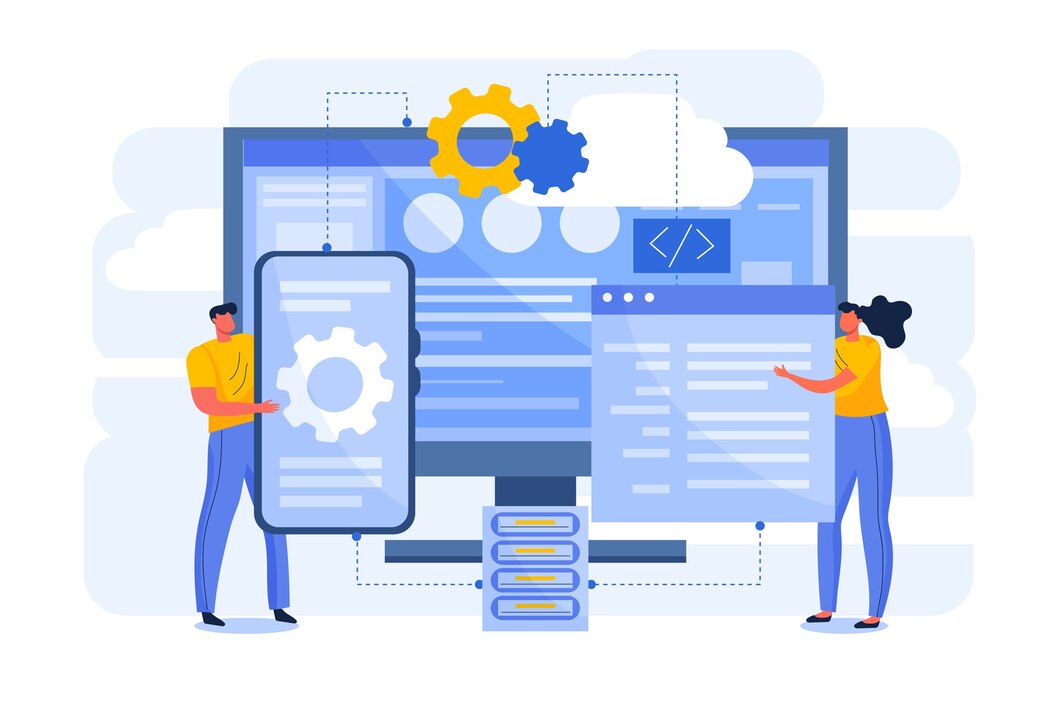
That is where reporting automation and business intelligence come in. AI experts can build real-time dashboards that bring together website, ad, and CRM information in one place. With the right setup, teams can track KPI tracking goals continuously instead of reacting after opportunities are missed.
Why Rochester, NY Businesses Need Smarter Digital Marketing Reporting
Rochester, NY is a market with a mix of established B2B companies, healthcare organizations, higher education institutions, and local service businesses. That variety creates a complicated environment for digital marketing. A healthcare provider near downtown Rochester may need separate reporting than a manufacturer in a suburban corridor or a home services company serving Monroe County neighborhoods.
Local businesses in areas like the East End, downtown Rochester, Greece, and Henrietta face serious competition both online and offline. At the same time, their customers often search with varying intent depending on season, location, and need. For example, seasonal demand patterns in Greater Rochester can shift based on weather, academic calendars, enrollment cycles, and regional service demand. AI helps teams identify these shifts early through customer behavior analysis and predictive analytics.
This matters especially for companies that serve Rochester and nearby communities like Irondequoit, Penfield, and Brighton. When local SEO competition is high, reporting needs to show more than traffic totals. It needs to show which neighborhoods, search terms, landing pages, and campaigns produce the highest-quality leads.
Smarter reporting also helps local teams align marketing with sales and operations. A B2B company may need to know which campaigns bring in demos. A clinic may need to understand appointment requests. A restaurant group may care about foot traffic and reservation trends. AI makes those differences easier to interpret by combining platform data with audience behavior patterns.
Sunstone Digital Tech50 Fountain Plz #1400, Buffalo, NY 14202
(315) 758-3349
https://maps.app.goo.gl/y9HMhvcoPCh9V3eKA
https://sunstonedigitaltech.com/buffalo-marketing-agency/web-design
42.8898193, -78.8738661
For Rochester businesses, the goal is not just more reports. It is clearer insight into how people in the region discover, compare, and contact local brands. That makes analytics a practical business function, not just a marketing task.
Using AI to Evaluate Web Design and SEO Performance
Strong web design and SEO services should be measured with actual performance data, not just visual opinions. AI experts help tie site experience to business outcomes by measuring how design choices affect conversion rates, engagement, and organic traffic.
For example, if a homepage looks polished but leads are leaving before filling out a form, AI analysis can show where the friction is happening. Maybe a CTA is buried too far down the page. Maybe mobile users in Rochester are leaving because page speed is slow. Maybe one page layout performs well for desktop but poorly for search visitors on phones. AI can uncover those patterns through trend analysis and funnel analysis.
SEO performance also becomes easier to measure when AI systems connect content, technical signals, and user behavior. Data from Google Search Console and Google Analytics can show which pages earn impressions, clicks, engagement, and conversions. AI experts can then compare those pages against search intent, internal linking, page speed, and on-page structure to identify what improves rankings and what supports conversion optimization.
This is especially useful for local businesses trying to strengthen local SEO. A Brighton law office, a Penfield contractor, or a restaurant near the East End may need to know whether a service page or location page is generating qualified traffic. AI can help pinpoint which content themes, page templates, and calls to action support the best results.
When web design and SEO are measured together, marketing teams can make better data-driven decisions. Instead of guessing, they can use performance insights to optimize navigation, tighten page messaging, and increase lead quality across the site.
Key Campaign Data Inputs AI Can Examine
Effective AI analysis depends on the reliability and diversity of input data. The best inputs often include Google Analytics, Google Search Console, CRM data, ad platforms, and social media metrics. When AI experts combine these sources, they develop a much fuller picture of the customer journey.
Google Analytics shows how users arrive, what they view, and where they drop off. Google Search Console delivers search query and indexing visibility, which is critical for SEO and local SEO efforts. CRM data reveals what happens after the form fill, call, or meeting request, helping teams link traffic to revenue. Ad platforms highlight paid campaign spend, audience targeting, and conversions. Social media metrics add signals about engagement, reach, and audience sentiment.
AI can also enrich these sources with sentiment analysis, audience insights, and anomaly detection. For example, if a campaign suddenly performs better in Monroe County than in other regions, AI may identify a shift in audience response before a human analyst notices it. If the CRM shows a drop in lead quality, AI may track that change back to a specific landing page or ad audience.
This type of analysis enhances attribution modeling as well. Instead of attributing all credit to the last click, AI can help clarify how multiple touchpoints work together. A customer might learn about a Rochester business through organic search, return via a retargeting ad, and https://telegra.ph/What-Is-Web-Design-and-Why-Is-It-Important-for-Businesses-in-Rochester-NY-08-24 convert after an email follow-up. AI helps teams understand the full story.
When these data sources are well connected, marketers get a sharper view of what generates lead volume, what impacts quality, and what drives long-term revenue.
How AI Improves analytics dashboards, analyses, and projections
AI helps make dashboards more useful by turning static charts into actionable decision tools. Instead of simply presenting last week’s traffic or ad spend, intelligent dashboards can highlight changes in KPI tracking, suggest next steps, and reveal unusual patterns automatically.
Automated reporting cuts time, but the real benefit is consistency. Marketing teams no longer need to manually pull numbers from multiple platforms every week. AI can collect data, structure it, and deliver it in a format that makes sense for executives, managers, and clients. That means fewer errors and faster reviews.
Forecasting is another major advantage. Using historical data and forecasting models, artificial intelligence can predict likely outcomes for traffic, leads, conversions, and spend efficiency. A Rochester business planning around seasonal demand can use those forecasts to plan campaigns before busy periods begin. That is especially valuable for firms that see shifts in local search interest across Monroe County.
Artificial intelligence also improves reporting automation by making data more accessible. Leaders can ask for summaries by channel, neighborhood, service line, or customer segment, then receive output that is simpler to use. In better systems, real-time dashboards show how campaigns are doing right now rather than yesterday or last month.
For teams that rely on fast-moving digital marketing campaigns, this means fewer surprises and better alignment between planning and execution. The result is reporting that fuels growth instead of just documenting activity.
Leading Applications for AI in Rochester Marketing Teams
Rochester marketing teams can apply AI in many useful ways, especially when the region includes so many different industries and buyer types. One of the best use cases is lead generation. AI can identify which channels and content types bring in the most qualified inquiries, not just the highest click volume.
Campaign optimization is another high-value area. AI can compare ad sets, landing pages, search terms, and audience behavior to determine where budget should shift. If one campaign drives more calls from Rochester suburbs while another performs better with downtown traffic, AI helps marketers spot that difference quickly.
Audience segmentation also becomes more precise. Instead of broad categories, AI can group users by location, behavior, purchase intent, or lifecycle stage. That allows more relevant messaging for local service businesses, B2B firms, and institutions that serve different customer groups across the region.
For teams focused on ROI, AI clarifies where value is coming from. It can connect spend to pipeline, sales, appointments, or revenue. That is especially useful when multiple channels are involved, such as paid search, organic search, email, and social media.
AI also helps with the operational side of marketing. For example:
- Identifying which content drives higher-quality leads
- Detecting drops in engagement before they hurt performance
- Comparing campaign performance across neighborhoods and service areas
- Predicting which audience groups are most likely to convert
In a market like Rochester, these use cases make marketing more efficient and more responsive. Teams can spend less time guessing and more time acting on reliable insights.
How to Select the Most suitable AI Experts for Your Business
Selecting the best partner starts with understanding data strategy. A effective AI team should know how to unify website data, CRM information, paid media data, and reporting goals into one system. If a provider cannot explain how the data will be structured, measured, and reviewed, the project may not produce meaningful results.
Prioritize experience in machine learning, especially models that support marketing prediction, segmentation, and pattern recognition. The best AI experts do not just install tools; they use them to improve decision-making. They should also understand marketing attribution, because accurate attribution is essential for understanding which channels and campaigns truly affect revenue.
Consulting is another important factor. Good AI consultants ask about business goals first, not software. They should want to know whether your team needs more qualified leads, stronger local SEO, better reporting for leadership, or clearer insight into customer behavior. For a Rochester company, they should also understand regional competition, seasonal demand, and local search conditions.
When evaluating AI experts, ask how they handle:
- Automation for repetitive reporting tasks
- Predictive analytics for forecasting future results
- Dashboards built for different stakeholders
- Integration with Google Analytics, Google Search Console, and CRM systems
- Recommendations tied to measurable business outcomes
The right partner should also understand how marketing connects to web design, SEO services, and digital marketing execution. Analytics should improve action, not sit separately from the rest of the strategy. When that connection is strong, teams gain better visibility into customer behavior and better control over ROI.
FAQ: AI Experts for Marketing Data Analysis and Reporting
What do AI experts do for marketing data analysis and reporting?
AI experts help businesses gather, structure, and analyze marketing data from sources like Google Analytics, CRM data, ad platforms, and social media metrics. They use machine learning, automation, and predictive analytics to enhance reporting, reveal trends, and deliver practical insights that support better marketing decisions.
How does AI improve web design and SEO services performance?
AI can show how web design choices affect conversion rates, engagement, and organic traffic. It also helps evaluate SEO services by identifying ranking patterns, user behavior, and content performance in Google Search Console and Google Analytics. That makes it easier to improve conversion optimization and local SEO results.
Which digital marketing metrics should Rochester, NY businesses track?
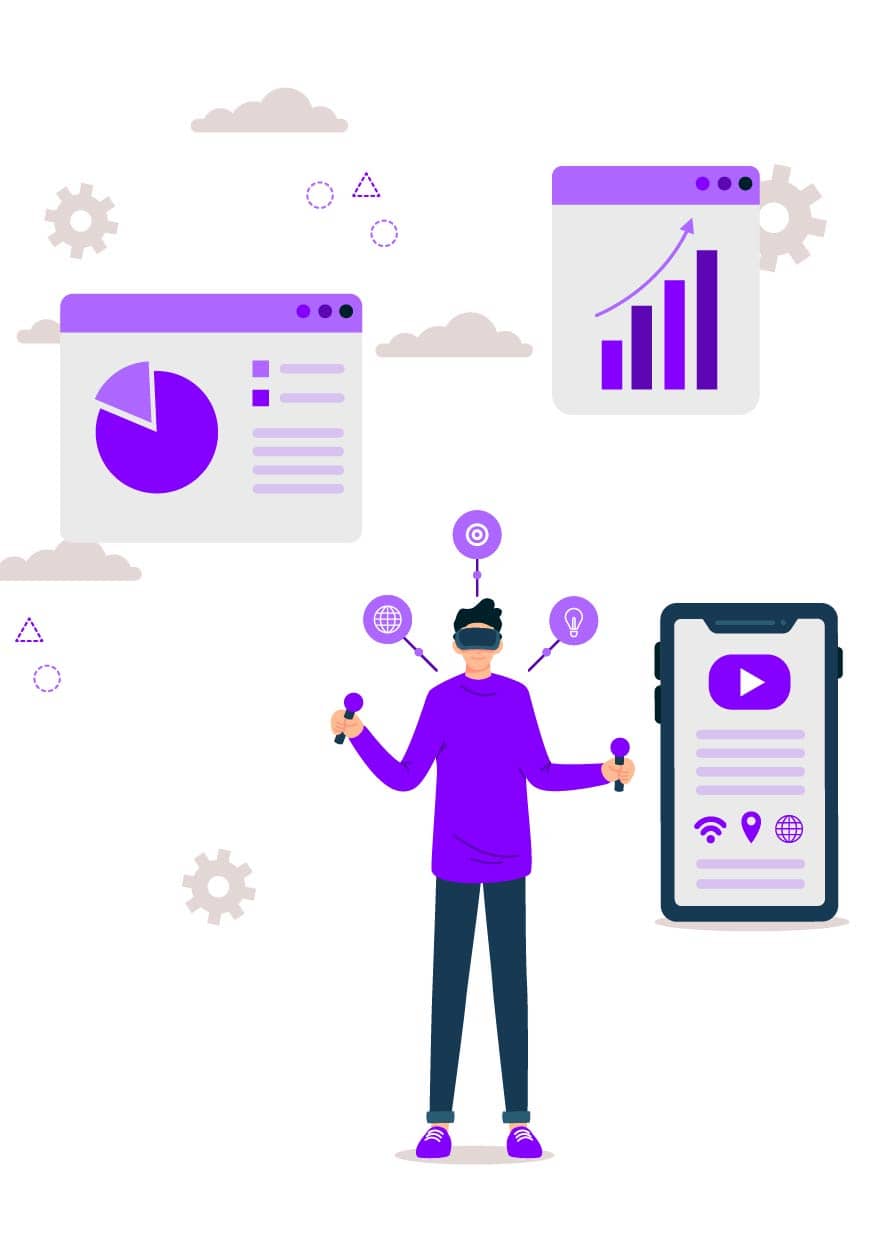
Rochester, NY businesses should track metrics tied to leads, conversions, organic traffic, campaign performance, ROI, and KPI tracking. They should also monitor customer behavior, local SEO visibility, and attribution modeling so they can understand how different channels contribute to growth across the Rochester market and nearby communities.
Is it possible for AI help automate reports for small businesses?
Yes. AI can support reporting automation by pulling data into dashboards, updating metrics automatically, and reducing the time needed to create weekly or monthly summaries. That is especially helpful for small business marketing teams that need clear, consistent reporting without spending hours on manual data entry.
How do I choose the right AI experts for my marketing team?
Look for AI experts who understand data strategy, machine learning, marketing attribution, and consulting. They should be able to connect analytics to business goals, build useful dashboards, and explain how automation will improve reporting. For Rochester businesses, it also helps if they understand local SEO, seasonal demand, and regional customer behavior.