How to Build a Strong Brand Image With Web Design
What does brand identity work in web design?
Brand identity in web design is the combination of design and textual elements that help people spot, recall, and trust your business online. It is more than a logo or a color scheme. It includes your visual identity, your brand messaging, and the way your web design leads visitors through your pages. When these parts align, your website delivers a clear, steady impression that supports brand strategy and sustained growth.
Powerful website branding starts with a simple question: what should people assume and feel when they land on your site? The answer guides everything from layout to content. For example, a law firm may want to project authority and professionalism, while a creative studio may want to show innovation and originality. In both cases, the website should reflect the same core brand identity across every page.
This matters because customers make instant judgments. A site with organized visual hierarchy, polished user interface, and consistent tone enhances customer perception and makes the business seem more reliable. Good design also supports memorability, helping users separate your company from competitors.
How do colours, font choice, and pictures shape how people perceive things?
Color, typography, and imagery are among the most effective tools in brand positioning. They shape color psychology, shape emotional response, and reinforce recognition. A strong color palette can suggest calm, energy, luxury, or stability depending on the business goals and audience expectations. In real-world use, the colors on your homepage, buttons, icons, and backgrounds should all align with the same design system.
Typography plays an equally vital role. Fonts convey personality before a visitor reads a single sentence. Serif fonts may feel time-honored and established, while clean sans-serif fonts often feel modern and approachable. The key is consistency. Using too many font styles can weaken brand consistency and make content harder to read. A clear type system strengthens content clarity and makes the site feel professionally designed.
Imagery also is highly important in brand recognition. Photos, graphics, and illustrations should represent your business values and audience. Stock images that look generic can undermine credibility, while custom imagery can strengthen the overall website aesthetics and tell a more authentic story. When your visual choices align with your brand voice, visitors are more likely to recognize what your business stands for.
In competitive markets, design details shape trust. For instance, Buffalo, NY businesses often need to stand out from other local providers that serve the same neighborhoods and service areas. Whether you are targeting customers in downtown Buffalo, the Elmwood Village, or Allentown, a refined and cohesive look helps create a strong first impression and reinforces local relevance.
How can user experience reinforce your brand?
Brand identity is not only visual; it is felt in use. The way people move through your site shapes how they feel about your company. Well-crafted user experience design makes the website simple to grasp, simple to navigate, and pleasant to use. That experience becomes part of the brand itself.
Navigation should be easy to follow and logical. If users cannot quickly find services, contact information, or proof of expertise, they may leave before learning what makes your company different. Clear menus, logical page categories, and visible next steps remove barriers in the customer journey. A thoughtful site structure also helps search engines understand your content and improves overall semantic relevance.
Good UX supports conversion optimization by reducing confusion and helping users take valuable actions. Whether the goal is a phone call, quote request, consultation booking, or purchase, every page should guide visitors to a strong call to action. When design supports the business goal without feeling pushy, conversion rate usually improves.
Mobile responsiveness is vital here. Many users browse on phones, and a responsive layout helps maintain the same consistent brand experience across devices. If a site looks polished on desktop but broken on mobile, it reduces credibility and creates a disconnect in perception. Responsive design supports both usability and brand credibility.
What role does SEO serve in brand identity?
SEO and branding are tightly connected. Effective SEO services do more than drive traffic; they help the right audience find the brand at the right moment. When your content meets search intent, users feel understood. That sense of relevance strengthens confidence and makes your brand seem more valuable and authoritative.
Local SEO is crucial for businesses in Buffalo, NY and the broader Western New York area. When someone searches for a local service, your website needs to communicate both relevance and reliability. The content, metadata, service pages, and location cues should reflect what local customers expect. This is where digital marketing and brand identity meet: the right search strategy brings in qualified visitors, while the design converts that visibility into recognition and leads.
Strong SEO also supports brand consistency across channels. If your paid ads, social media, and website all use the same message alignment, users experience a cohesive brand regardless of where they first encounter you. That consistency improves search visibility and strengthens the relationship between your online presence and your reputation.
For Buffalo companies competing in crowded industries, SEO can be a differentiator. A business that appears in relevant searches and presents a confident brand is more likely to win attention from users comparing multiple nearby options. In that sense, SEO is not merely technical; it is part of brand strategy and digital marketing execution.
How can your website content convey your brand personality?
Your site content should sound like your brand, not like a cookie-cutter template. Brand voice adds your business personality and helps people build a connection to what you offer. It can be authoritative, warm, specialized, approachable, high-end, or community-oriented, but it should always feel deliberate and coherent.
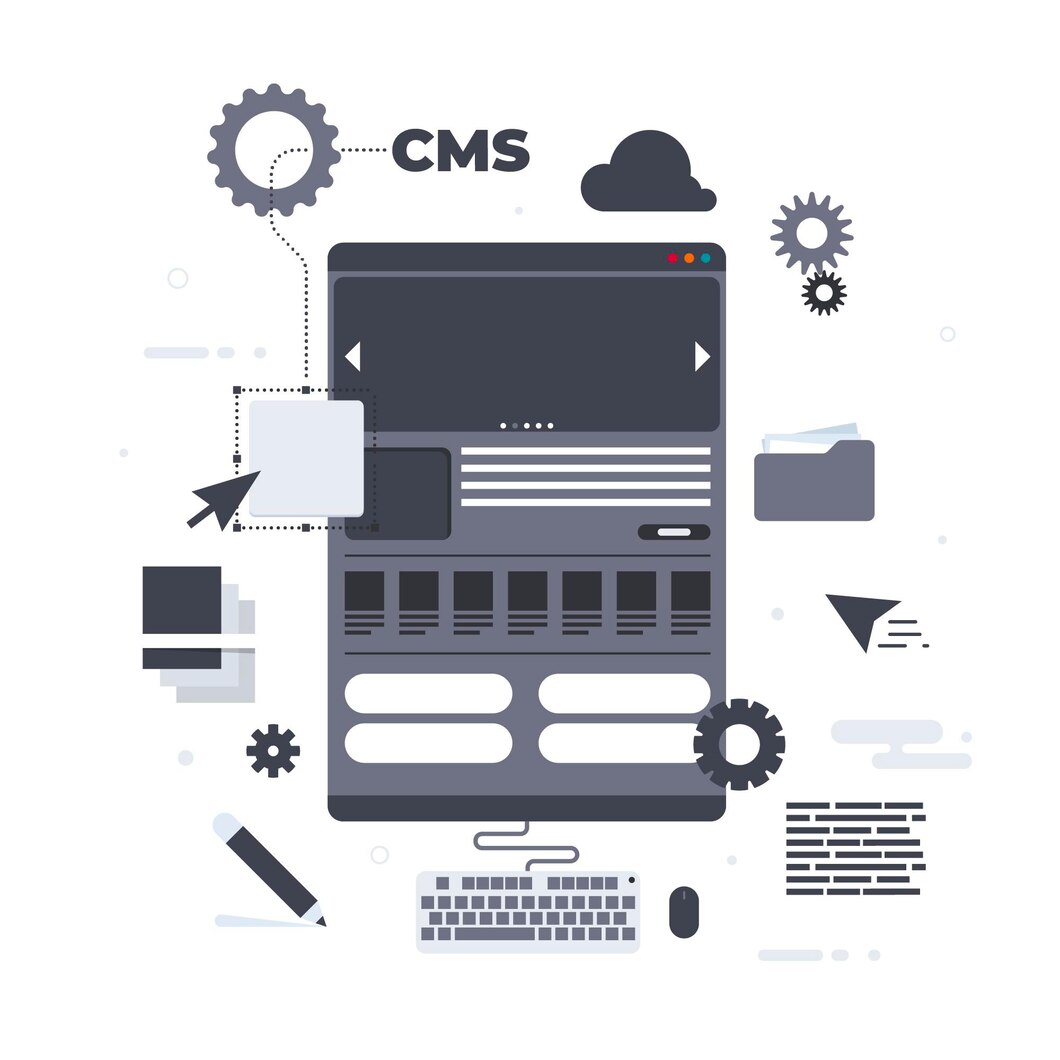
Strong copywriting turns that voice into focused page messaging. Headlines, service descriptions, CTAs, and microcopy all shape to the user’s impression. If your tone is sure but your wording is unclear, the brand message becomes fuzzy. If your pages are packed with jargon, they may feel detached from the audience. Good copy supports content clarity while maintaining personality.
A thoughtful content strategy makes sure that every page has a purpose. Homepage content should define the core value proposition. Service pages should detail benefits and differentiation. About pages should strengthen trust and humanize the brand. Blog posts and resource pages can expand topical authority while carrying the same voice and values.
Messaging hierarchy is important because users skim before they read. The most important ideas should appear up front, followed by supporting details and proof. That structure makes the site simpler to navigate mentally and helps the business communicate faster. It also improves engagement by minimizing effort and increasing clarity throughout the page.

How can trust signals and social proof strengthen credibility?
Credibility is central to brand identity because people do business with companies they believe are credible. Website elements such as trust signals and social proof convince visitors that the brand is genuine, seasoned, and worth their attention.
Testimonials are one of the simplest ways to build confidence. A real quote from a customer adds a human voice and helps prospective buyers imagine their own experience. Reviews can amplify that effect, especially when they come from reputable platforms or are summarized clearly on the site. Case studies go deeper by showing the process, results, and problem-solving ability behind your service.
These elements do more than fill space. They improve trustworthiness and reduce hesitation at key decision points. For businesses that rely on leads, trust signals should appear near contact forms, service descriptions, and other conversion points. That placement supports conversion-focused design by answering objections before they block action.
This is especially important in Buffalo and nearby communities, where users often compare several providers before reaching out. Whether someone is looking for a company in downtown Buffalo, the Elmwood Village, or the surrounding Western New York region, strong proof points can make your business feel more secure and more established than the competition.
What do Buffalo companies consider in local web design?
Buffalo, NY companies need web design that caters to a competitive local market while still standing apart. In a region with numerous service providers, differentiation online is essential. Visitors often compare businesses quickly, so your design must convey value, professionalism, and local relevance in seconds.
One major consideration is the local audience. Buffalo customers may appreciate design that feels straightforward, dependable, and community-aware. That does not mean every site should look the same. It means the presentation should match the expectations of Western New York audiences while still supporting your unique brand identity.
Another factor is regional competition. If nearby businesses all use similar layouts, stock images, and vague messaging, a stronger design system can help your company stand out. A polished color palette, refined typography, and clear brand voice can all create a stronger perception of quality. When your site feels intentional, it becomes easier for users to trust that the company is equally intentional in its service.
Community relevance also matters. Mentioning neighborhoods, service areas, and local context can make a site feel more grounded. For example, a business serving downtown Buffalo, Allentown, or the Elmwood Village can use local references naturally in headings, service pages, or contact information. This supports local SEO and helps the brand feel more connected to the area it serves.
How can AI experts improve brand-driven web design?
AI experts can support businesses improve web design by making branding more responsive, streamlined, and insight-led. AI does not override strategy, but it can support customization, automation, and analytics in ways that strengthen the customer experience.
Personalization is one of the top opportunities. AI can help tailor content blocks, calls to action, or recommendations based on behavior and audience segments. That makes the website feel more meaningful and can improve engagement. Personalized design choices can also support local relevance by showing content that matches different user needs or service areas.
Automation can improve consistency across the site. For example, AI tools may help create content variations, speed up tagging, or support dynamic page elements without sacrificing the core brand message. Used carefully, automation saves time while preserving the design system aligned with brand strategy.
Analytics are another important benefit. AI-driven analysis can reveal how users interact with pages, where they drop off, and which content patterns improve conversion optimization. This helps teams refine design based on actual behavior rather than assumptions. When paired with SEO services and digital marketing, analytics make it easier to tie branding decisions to performance outcomes.
What are the most common web design mistakes that weaken branding?
One of the most common mistakes is inconsistent branding. If colors, fonts, imagery, and tone change from page to page, the site loses coherence. Visitors may not know what the company stands for, which weakens brand recognition and reduces trust.
Another problem is a cluttered layout. Too many competing elements make it hard for users to focus on the message. A crowded homepage can hide the value proposition, bury the call to action, and create visual fatigue. Clean layouts support better visual hierarchy and make the brand feel more credible.
Slow load speed additionally harms branding. A site that feels slow suggests weak performance and insufficient attention to detail. Performance optimization matters because users link technical quality with overall credibility. If a page takes too long to load, people may leave before interacting with the brand at all.
A weak CTA is another common problem. If the site does not clearly show visitors what to do next, even strong design and content may fail to produce outcomes. Effective calls to action are precise, easy to spot, and aligned with the customer journey. They should advance the business goal while still feeling organic to the page.
How do you measure whether your website strengthens your brand?
You can measure branding performance through both public perception and visitor behavior. The most direct indicators include brand awareness, engagement rate, bounce rate, and conversion tracking. These metrics help show whether your website is strengthening recognition and encouraging action.
Brand awareness can be observed through repeat visits, direct traffic, and branded search activity. If more people are searching for your business by name, your online presence may be improving brand recognition. Engagement rate can show whether visitors are interacting with your content, scrolling, clicking, or exploring additional pages. Strong engagement usually suggests that the site’s message and design are resonating.
Bounce rate is also useful, especially when paired with page-level analysis. A high bounce rate can indicate poor content relevance, weak user experience, or a disconnect between search intent and the page message. Low bounce rate alone is not the goal, but it can indicate that visitors are finding value and continuing their customer journey.
Conversion tracking connects branding to outcomes. If more visitors fill out a form, call, schedule a consultation, or make a purchase after a redesign, the site may be doing a better job of building trust and action. Analytics help you evaluate which pages contribute most to that success and where further improvements are needed.
For Buffalo businesses, this kind of measurement is especially valuable because local users often compare nearby service providers before making a decision. If your website makes a stronger impression, keeps users engaged, and generates more qualified inquiries, it is delivering real brand-building work.
Sunstone Digital Tech50 Fountain Plz #1400, Buffalo, NY 14202
(315) 758-3349
https://maps.app.goo.gl/y9HMhvcoPCh9V3eKA
https://sunstonedigitaltech.com/buffalo-marketing-agency/web-design
42.8898193, -78.8738661
FAQ
How does web design affect brand identity?
Web design shapes brand https://ameblo.jp/victor-ny14502mk899/entry-12976775685.html identity by guiding how visitors perceive, feel, and remember your business. Visual identity, brand messaging, layout, and user experience all affect perception. When those elements are consistent, the website creates a stronger and more trustworthy brand impression.
What website elements create a stronger brand presence?
The strongest brand presence usually comes from a clear color palette, thoughtful typography, relevant imagery, strong messaging hierarchy, trust signals, and a consistent brand voice. A polished user interface, intuitive navigation, and mobile responsiveness also support reinforce credibility and memorability.
How can Buffalo businesses use local SEO and design together?
Buffalo businesses can combine local SEO and design by creating location-aware content, using clear service area signals, and building pages that match local search intent. Design should support that content with strong visuals, trust signals, and a structure that feels relevant to Buffalo, NY and Western New York audiences.
Can AI experts help improve a brand-focused website?
Absolutely. AI experts can improve a brand-focused website through personalization, automation, and analytics. These tools help refine the customer journey, identify behavior patterns, and support conversion-focused design without losing brand consistency or message alignment.
How do I know if my website reflects my brand well?
You can tell by looking at both feedback and performance. If visitors understand your value quickly, stay engaged, trust your business, and convert at healthy rates, your website is likely reflecting your brand well. Analytics, customer feedback, and conversion tracking can confirm whether the design supports brand awareness and credibility.